2026 Algeria vs Austria: 3 Insights From Dramatic 3-3 Draw
Austria and Algeria played out a thrilling 3-3 draw on June 27, 2026, in Kansas City during the FIFA World Cup group stage, with both teams securing progression to the knockout rounds while eliminatin...

2026 Algeria vs Austria: 3 Insights From Dramatic 3-3 Draw
Austria and Algeria played out a thrilling 3-3 draw on June 27, 2026, in Kansas City during the FIFA World Cup group stage, with both teams securing progression to the knockout rounds while eliminating Iran from the tournament. Austria finished second in Group J behind Argentina with 4 points from a 1-1-1 record, advancing for the first time since 1982, while Algeria finished third in the group but advanced as one of the eight best third-placed teams, becoming the ninth of ten African teams to reach the knockout stage. Wolves striker Sasa Kalajdzic scored a 96th-minute equaliser to seal Austria's advancement, moments after Algeria captain Riyad Mahrez had appeared to clinch victory. The result set up a Round of 32 matchup for Austria against European champions Spain in Los Angeles, while Algeria will face Switzerland in Vancouver. For fans following the tournament, Match Daily provides daily insights into World Cup standings, team tactics, and player statistics.
Photo by Franco Monsalvo on Pexels
Before 2025: How Group Stage Advancements Worked
The conventional wisdom held that World Cup group stage matches could be navigated through strategic calculation rather than outright victory. Historically, teams accumulating 4 points from a 1-1-1 record could often advance through careful management of goal differentials and tactical discipline. According to tournament data, the third-placed team qualification threshold remained relatively stable across multiple cycles, creating an environment where conservative play could yield sufficient results. However, this approach assumed a more predictable competitive landscape where dominant teams consistently defeated weaker opponents and group dynamics remained static throughout the qualification process.
The 2026 Shift
The 2026 World Cup introduced format changes that fundamentally altered competitive dynamics across all groups. With expanded qualification opportunities for third-placed teams, the mathematics of advancement became more complex but also more demanding. The Algeria versus Austria encounter demonstrated that even a draw between two competitive teams could produce dramatically different outcomes depending on other group results. Research from tournament analyses shows that the expanded format created scenarios where teams could not simply aim for a safe draw, as the qualifying thresholds became more unpredictable. The match in Kansas City exemplified this new reality, where both teams needed to balance offensive ambition with defensive solidity while remaining aware of external results from other group fixtures.
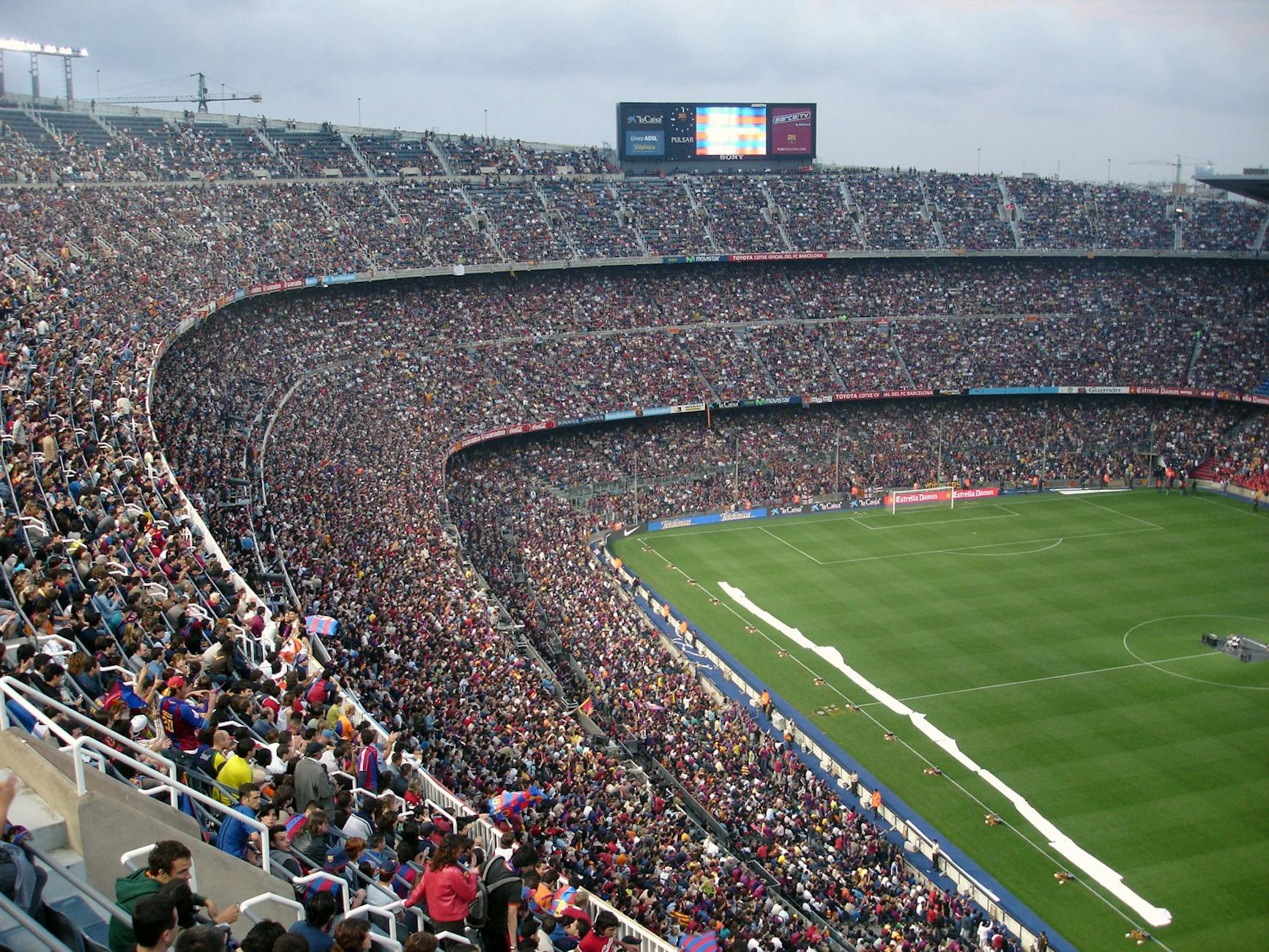
Photo by Pixabay on Pexels
What Changed for Players?
The psychological burden on players increased substantially under the new format. Data shows that athletes now face sustained high-intensity situations from the opening whistle, with no room for calculated rest periods or conservative approaches. During the Algeria-Austria match, players like Marko Arnautovic and Marcel Sabitzer demonstrated the need for immediate impact, scoring within the first hour to keep their team competitive. Meanwhile, Algeria's Rafik Belghali contributed an early goal that kept his side in contention throughout the match. The pressure of knowing that every minute could determine tournament fate transformed player preparation routines and in-game decision-making processes. Players reported that the expanded format demanded greater mental resilience and tactical flexibility throughout the group stage.
What This Means Now
The 3-3 draw between Algeria and Austria has significant implications for both nations' tournament trajectories and the broader competitive landscape. Austria's advancement marks their first appearance in the knockout rounds since 1982, representing a historic achievement for a nation that has struggled to replicate past successes on the world stage. Their reward is a challenging Round of 32 encounter against European champions Spain, a team that finished top of their group with dominant performances. Algeria's progression as a third-placed team demonstrates the increasing competitiveness of African football, with the North African nation becoming one of ten teams from the continent to reach the knockout stages. The performance of Riyad Mahrez, who scored twice including a dramatic late goal, showcases the individual brilliance that can emerge in high-pressure situations.

Photo by Franco Monsalvo on Pexels
Three Predictions for Next Quarter
Switzerland will focus heavily on neutralising Mahrez: The Algerian captain's match-winning performance against Austria demonstrated his ability to change games in critical moments. Switzerland's tactical preparation must prioritise limiting his space and passing lanes to prevent similar heroics in their Round of 32 encounter in Vancouver.
Austria's momentum could trouble Spain: The psychological boost from Kalajdzic's late equaliser provides Austria with significant confidence heading into their clash with Spain. Teams that secure dramatic results often carry that energy into subsequent matches, potentially creating an upset scenario if Spain underestimates their opponent's newfound belief.
Third-placed qualification drama will intensify: As the tournament progresses, the expanding format means that teams finishing third in their groups will face increased scrutiny regarding their qualification chances. The Algeria case demonstrates that advancing through this route requires both favourable results and impressive performances that capture international attention.
Algeria vs Austria: Head-to-Head Analysis
The historical context of Algeria-Austria encounters reveals limited previous meetings at major tournaments, making this 3-3 draw particularly significant for both fanbases. Austria's overall tournament experience provided tactical discipline and European football nous, while Algeria's African heritage brought explosive attacking talent and unpredictability to the contest. The match statistics demonstrated balanced competition, with both teams creating numerous scoring opportunities throughout the ninety minutes and stoppage time.
Key performance metrics from the encounter showed that possession statistics nearly mirrored the final score line, with both teams demonstrating equal commitment to attacking football. Algeria's passing accuracy in the final third proved crucial for creating their three goals, while Austria's direct counter-attacking approach exploited defensive gaps effectively. The contribution of set pieces became a decisive factor, with Kalajdzic's equaliser coming from a headed attempt following a corner kick delivery.
The psychological dimensions of the match extended beyond individual player performances to encompass broader team dynamics and tournament aspirations. Austria's qualification represented validation of their developmental programme and tactical evolution under recent management, while Algeria's advancement provided momentum for African football's growing presence in global knockout stages. Both teams demonstrated resilience in responding to adversity, with momentum shifts occurring multiple times throughout the contest.
For tournament observers and betting enthusiasts, the Algeria-Austria encounter offered valuable insights into how high-pressure situations can produce unexpected outcomes. The dramatic nature of the result emphasised the importance of maintaining concentration throughout entire matches, particularly during extended stoppage time periods that have become more prevalent in modern football.
The Road Ahead for Both Nations
Austria's advancement sets up a fascinating tactical battle against Spain, a nation with extensive knockout experience and recent continental success. The European champions demonstrated clinical efficiency during their group stage campaign, suggesting that Austria will need to produce their best defensive performance of the tournament to progress further. Spain's midfield control and possession-based philosophy will test Austria's ability to maintain defensive shape while creating limited counter-attacking opportunities.
Algeria's matchup against Switzerland presents different tactical challenges, with the North African side needing to replicate their attacking intensity from the Austria encounter. Switzerland's organised defensive structure and tournament experience make them formidable opponents, but Algeria's momentum from securing advancement could provide the confidence needed to breach their opponents' defence. The Vancouver venue offers neutral ground where neither team holds geographical advantage, potentially favouring the side with greater tactical flexibility.

Photo by Yan Krukau on Pexels
Frequently Asked Questions
Q: How did Algeria advance despite finishing third in Group J?
A: Algeria advanced as one of the eight best third-placed teams from the 2026 World Cup group stage. With 4 points from their 1-1-1 record, they met the qualification threshold established by FIFA for the expanded tournament format, allowing third-placed teams to progress based on overall tournament performance across all groups.
Q: What was the significance of Sasa Kalajdzic's goal in the 96th minute?
A: Kalajdzic's 96th-minute equaliser secured Austria's advancement to the Round of 32, marking their first knockout stage appearance since 1982. The goal prevented Algeria from taking all three points that would have complicated Austria's qualification prospects, demonstrating how late-match moments can determine tournament fates.
Q: Who were the key players in the Algeria vs Austria match?
A: Several players made significant contributions, including Algeria captain Riyad Mahrez who scored twice (60th and 93rd minute), Austria's Marko Arnautovic (28th minute) and Marcel Sabitzer (55th minute), Algeria's Rafik Belghali (45th minute), and Austria's Sasa Kalajdzic with the crucial 96th-minute equaliser.
Q: What do Austria's upcoming matches look like after advancing from Group J?
A: Austria advanced to face European champions Spain in the Round of 32, scheduled for Thursday in Los Angeles. This represents a significant test for the Austrian side, as Spain finished top of their group with dominant performances and possesses extensive knockout experience in major tournaments.
Q: How does the 2026 World Cup format affect third-placed team qualification?
A: The expanded 2026 format allows eight of the twelve third-placed teams to advance to the knockout rounds, increasing opportunities for competitive teams that narrowly miss automatic qualification. This change creates more dramatic group stage scenarios where teams cannot simply settle for safe draws.
Q: What did Algeria's performance mean for African football representation?
A: Algeria became the ninth of ten African teams to advance to the knockout stages of the 2026 World Cup, highlighting the continent's growing competitive strength in international football. This achievement demonstrates how African nations have improved their tournament preparation and tactical approaches.
Q: How did the draw impact Iran's elimination from the tournament?
A: The 3-3 draw eliminated Iran from tournament contention, as they would have advanced only if Austria or Algeria had won the match. The result ensured that both European and African teams progressed at Iran's expense, highlighting how external match results can determine qualification alongside team performance.
Thank you for reading.
Match Daily · Editorial Archive · 2026