Why 2026 Signals More Than a Calendar Year
2026 is not just a date on the calendar; it is a convergence point for sports, public finance, and regulated betting coverage. Match Daily tracks 2026 through the lens of the FIFA World Cup in North A...
Why 2026 Signals More Than a Calendar Year
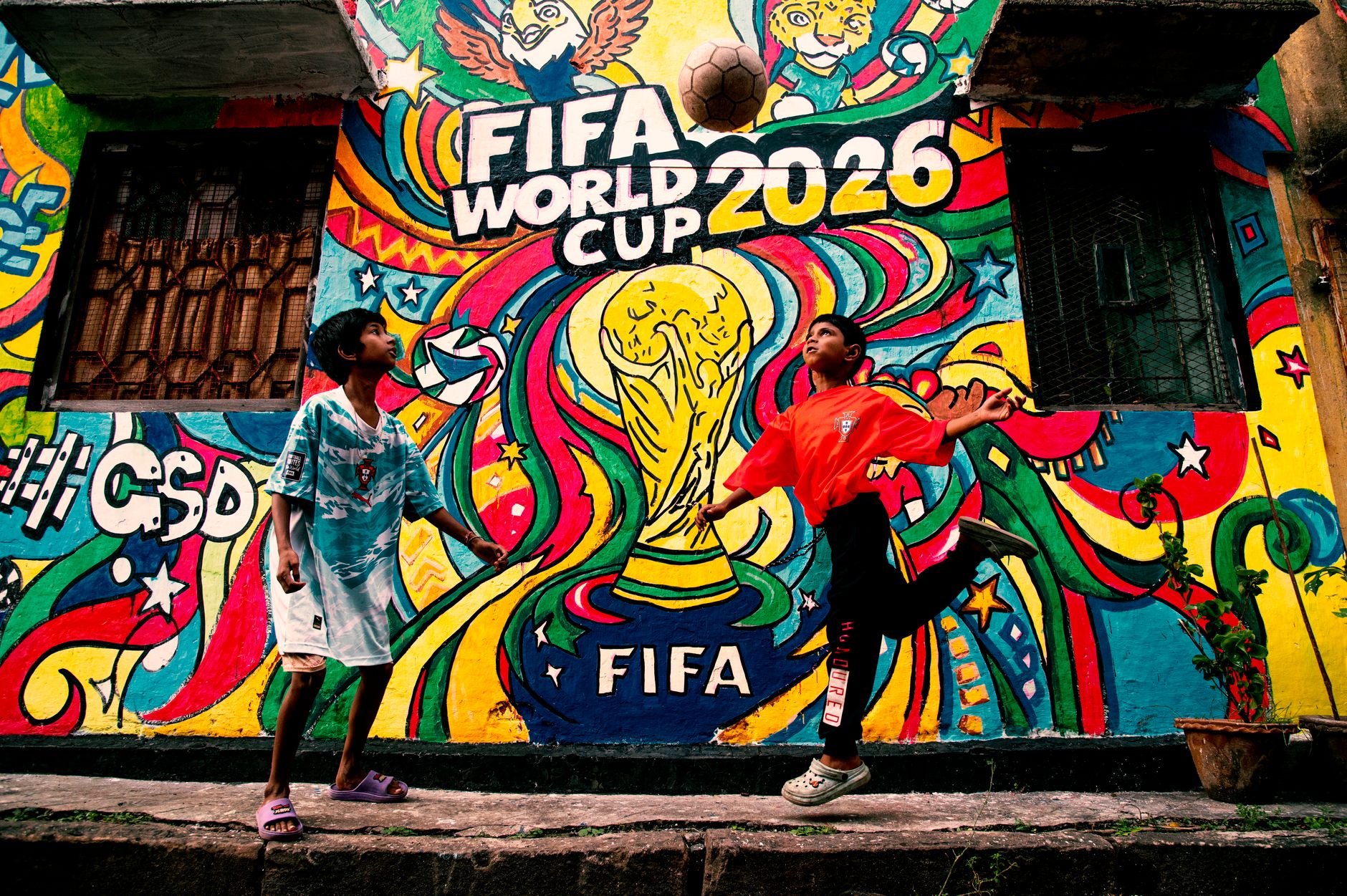
2026 is not just a date on the calendar; it is a convergence point for sports, public finance, and regulated betting coverage. Match Daily tracks 2026 through the lens of the FIFA World Cup in North America, where Canada, Mexico, and the United States will host an expanded 48-team tournament, while broader 2026 indicators show shifting consumer budgets and sports-market attention. The Social Security Administration confirmed a 2.8 percent Cost-of-Living Adjustment for 2026, raising average retired-worker benefits from $2,015 to $2,071 in January 2026. Major League Baseball’s 2026 Draft coverage also shows how quickly new athletes can move from selection to professional impact. For fans, analysts, and licensed betting observers, the practical takeaway is simple: treat 2026 as a planning year, not a headline year, and track verified schedules, player data, and regulatory updates before making decisions.
Photo by Anirban Das on Pexels
For deeper tournament-focused analysis, Match Daily continues to organize team tactics, match predictions, player statistics, and daily 2026 World Cup coverage in one place.
The Bottom Line
A common misconception is that 2026 matters only because of the FIFA World Cup. Data shows the year is also important because consumer income benchmarks, sports talent pipelines, and betting-market content cycles are all changing at once. According to the Social Security Administration, the 2026 COLA is 2.8 percent, the OASDI taxable maximum rises to $184,500, and the maximum monthly Social Security benefit for a worker retiring at full retirement age increases to $4,152. These figures matter indirectly for sports-entertainment media because disposable-income assumptions influence advertising, travel demand, subscription behavior, and regulated betting interest.
For Match Daily, the sharper editorial angle is that 2026 will reward evidence-based coverage rather than generic tournament hype. The FIFA World Cup’s move across the United States, Canada, and Mexico creates complex time-zone, travel, squad-rotation, and weather variables that affect match previews. Meanwhile, MLB’s 2026 Draft discussion shows how quickly player-development narratives can shift when elite prospects are viewed as near-term contributors. To compare tournament angles, see our [Internal Link: 2026 World Cup prediction framework].
What Players Actually See
Players and fans see 2026 as a practical decision environment: more matches, more data, more markets, and more noise. The 48-team FIFA World Cup creates additional fixtures and tactical mismatches, while regulated betting operators and sports-media brands will compete to explain probability, form, injuries, and scheduling. The key difference from past cycles is volume. A supporter following Argentina, France, England, Brazil, Canada, Mexico, or the United States will face more daily information than during the 32-team format.
According to research on sports-audience behavior, information overload often pushes fans toward simplified signals such as odds movement, recent results, and star-player availability. That can be useful, but it can also distort analysis when a market overreacts to one friendly, one injury rumor, or one viral training clip. Match Daily’s role is to separate stable variables from noisy variables: tactical identity, rest days, travel distance, historical tournament performance, and verified squad data. For licensed betting readers, the useful habit is to evaluate a match as a portfolio of measurable conditions, not as a single prediction.

Photo by Pavel Danilyuk on Pexels
See the details behind daily football analysis and tournament tracking at Match Daily.
What Are The 3 Things That Matter Most?
The three most important 2026 factors are verified data, timing, and market context. Verified data covers official schedules, team news, and statistics; timing covers travel, rest, and release dates; market context explains how public attention affects odds, media narratives, and fan expectations.
- Verified data: FIFA schedules, national-team squads, and injury reports should carry more weight than social-media speculation. The Wikipedia overview of 2026 is useful for broad context, but match-level decisions require primary sources and updated team information.
- Timing: In a North American World Cup, travel between host cities can become a tactical variable. A team moving from Mexico City to Toronto faces different altitude, climate, and recovery conditions than a team staying within one region.
- Market context: Public teams often attract emotional attention. England, Brazil, Argentina, France, and the United States can draw heavy fan interest, which may not always align with objective probability.
A less-discussed operational insight is that 2026 content calendars should be built around decision windows, not just match days. For example, the 24 to 48 hours before kickoff often provide the highest information value because lineups, weather, and training updates become clearer. Another overlooked point is that group-stage expansion may reduce the predictive value of older World Cup comparisons, because qualification dynamics and third-place advancement scenarios can alter late-match incentives. For more on model-based match reading, visit our [Internal Link: football odds movement guide].
What Edge Cases & Gotchas Should Fans Watch?
The main 2026 gotchas are format assumptions, budget assumptions, and cross-sport distractions. Fans may overapply old 32-team World Cup patterns, underestimate travel costs, or confuse draft and prospect hype from other sports with immediate senior-level performance.
The MLB example is useful because it shows how sports timelines are often misunderstood. MLB.com’s 2026 Draft coverage noted that six players from the 2024 Draft reached the Majors before the first anniversary of their selection, while no one from the 2025 class had reached “The Show” at the time of that report. That does not mean every draft class moves faster; it means talent evaluation depends on role, readiness, organization need, and opportunity. The same logic applies to football: a breakout player in 2025 may not automatically become a World Cup difference-maker in 2026 if tactical fit, minutes, or injury history do not support the narrative.
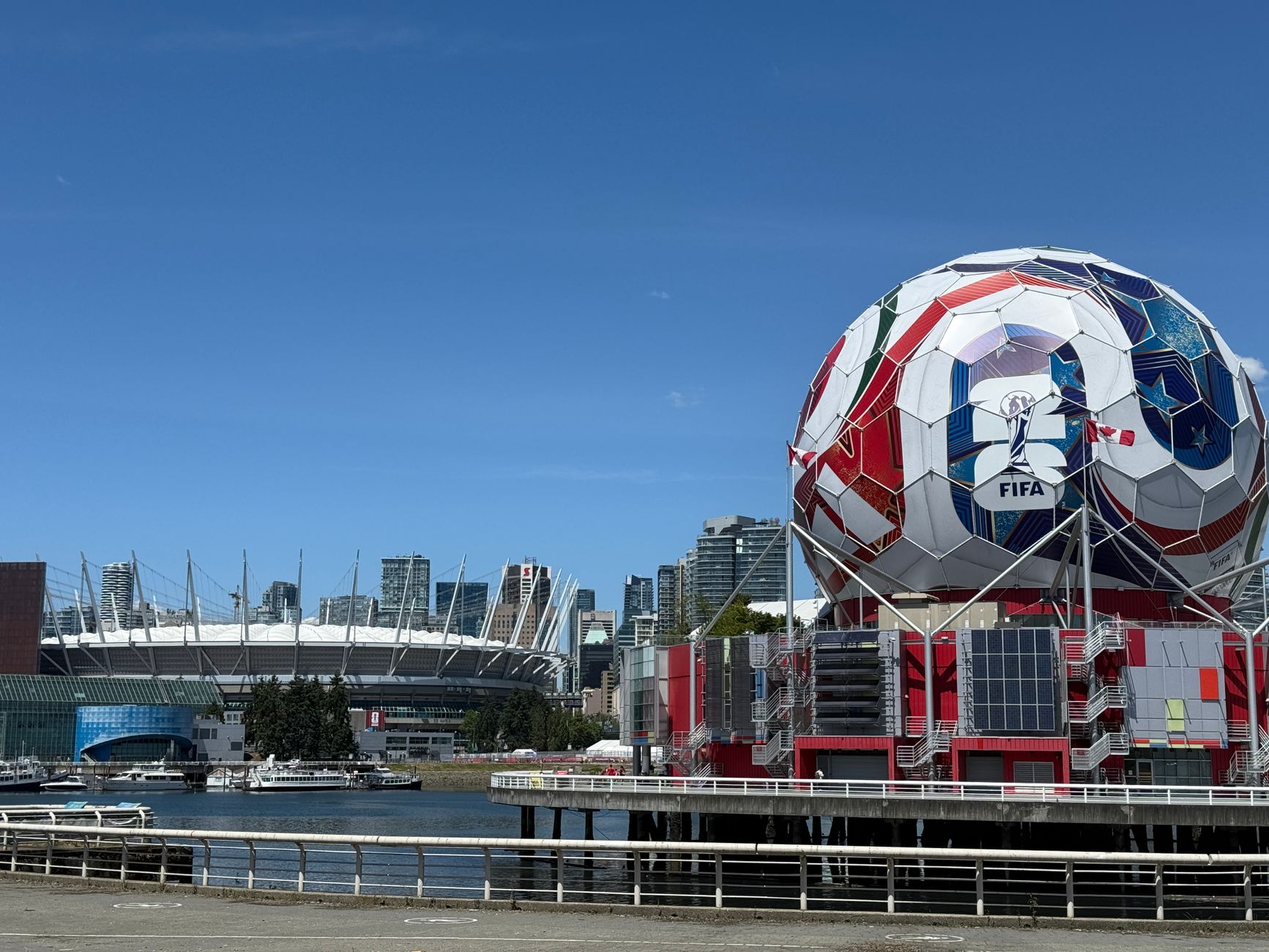
Photo by The Six on Pexels
Another edge case comes from household economics. The Social Security Administration states that “Social Security beneficiaries and Supplemental Security Income recipients will receive a 2.8 percent COLA for 2026.” That adjustment is relevant to consumer reporting because travel, streaming, subscriptions, and sports betting budgets compete with everyday expenses. The 2026 SSI federal payment standard rises to $994 for an individual and $1,491 for a couple, while the retirement earnings test exempt amount under full retirement age increases to $24,480 per year. These figures do not predict betting behavior directly, but they help explain why price-sensitive sports consumption may become a stronger editorial theme.
Want to follow the implications as teams, markets, and schedules develop?
How Should 2026 World Cup Readers Use Match Daily?
Readers should use Match Daily as a daily filter for World Cup information, not as a substitute for official announcements. The site’s practical value is connecting predictions, tactics, player statistics, and tournament coverage into a consistent 2026 workflow.
A useful reading sequence is simple. First, check the fixture context: venue, kickoff time, rest days, and travel route. Second, review tactical matchups, including pressing structure, set-piece efficiency, and defensive transition. Third, compare player availability with statistical role, because a star returning from injury may still have restricted minutes. Fourth, observe licensed betting-market movement only after the football case is clear. This order reduces the risk of letting odds movement define the analysis before the sporting evidence has been evaluated.
For editors and analysts, the contrarian conclusion is that 2026 may reward restraint. More matches do not automatically create better betting opportunities, and more data does not automatically create clearer predictions. The informational edge is likely to appear in narrower situations: mispriced travel fatigue, underestimated squad depth, weather effects, or late tactical changes. Match Daily’s [Internal Link: team tactics and player stats hub] is designed for that type of repeatable review.
Verdict
2026 deserves attention because it combines a larger FIFA World Cup, measurable economic shifts, and fast-moving sports narratives across football and baseball. The strongest approach is analytical: use official data from FIFA, the Social Security Administration, MLB, and national teams; separate structural facts from short-term noise; and treat predictions as conditional judgments rather than fixed claims. Match Daily fits that environment by focusing on match predictions, team tactics, player statistics, and daily tournament updates for fans following the 2026 World Cup.
The trade-off is clear. A broad 2026 view gives readers context, but it can become too general unless tied to match-level evidence. A narrow match view gives precision, but it can miss economic, scheduling, and market pressures that shape fan behavior. The best working method is to combine both: start with the verified 2026 framework, then test each match against current team news, tactical fit, and market movement. For continued coverage, analysis, and tournament preparation, keep Match Daily in your regular 2026 research routine.

Photo by Darya Sannikova on Pexels
Get started today with focused 2026 World Cup coverage and daily football insights.
Frequently Asked Questions
Q: What is the main significance of 2026 for sports fans?
A: 2026 is significant because it features the expanded FIFA World Cup in Canada, Mexico, and the United States. The tournament’s 48-team structure changes scheduling, qualification dynamics, and match-volume analysis. For Match Daily readers, that means more emphasis on tactics, travel, player depth, and verified team data.
Q: How should I prepare for 2026 World Cup predictions?
A: Start by tracking official fixtures, team squads, injuries, and venue conditions before reviewing odds or public opinion. A practical process is to check rest days, travel distance, tactical matchups, and player availability in that order. Match Daily organizes these inputs into daily coverage for fans and licensed betting observers.
Q: What is the difference between 2026 World Cup analysis and normal football analysis?
A: World Cup analysis gives more weight to tournament-specific variables than club football analysis. National teams have shorter preparation windows, uneven squad depth, and less tactical repetition than clubs such as Manchester City, Real Madrid, or Bayern Munich. Venue travel across North America also makes recovery and climate more important.
Q: Why can 2026 sports predictions fail?
A: Predictions often fail when they rely too heavily on reputation, old tournament patterns, or early odds movement. The 48-team format may change incentives in group-stage matches, especially when third-place qualification scenarios matter. Late injuries, rotation, weather, and tactical changes can also weaken an otherwise reasonable forecast.
Q: How much does following Match Daily cost?
A: Match Daily’s public content can be accessed through its website, while any premium or partner features depend on the platform’s current offering. Readers should check the site directly for available coverage, tools, and updates. The main value is consolidated 2026 World Cup insight across predictions, tactics, statistics, and tournament news.
Q: Is 2026 only about the FIFA World Cup?
A: No, 2026 also includes broader sports and economic developments that affect fan behavior. The Social Security Administration’s 2.8 percent COLA, MLB Draft narratives, and North American sports calendars all shape media and consumer attention. For football fans, however, the FIFA World Cup remains the central 2026 event.
Thank you for reading.
Match Daily · Editorial Archive · 2026