Inside 90 Minutes: A 5-Step Fueling Plan
Football nutrition is not about eating as much as possible; it is about placing the right fuel in the right window. A football player needs carbohydrates for repeated sprints, protein for muscle repai...

Inside 90 Minutes: A 5-Step Fueling Plan
Football nutrition is not about eating as much as possible; it is about placing the right fuel in the right window. A football player needs carbohydrates for repeated sprints, protein for muscle repair, fluids for temperature control, and enough total energy to survive training and competition. During a 90-minute match, players may cover 10–13 kilometres, perform roughly 20 sprints, and complete 150–250 changes of direction, while match energy expenditure can reach approximately 1,100–1,500 calories according to research on elite football. Muscle glycogen may fall by 40–70% as the game progresses, which helps explain late-match fatigue. This football nutrition guide for players applies to youth, amateur, academy, and professional football across the 2026 season. Start by calculating your training load, then build every meal around carbohydrates, quality protein, fluids, and recovery timing.
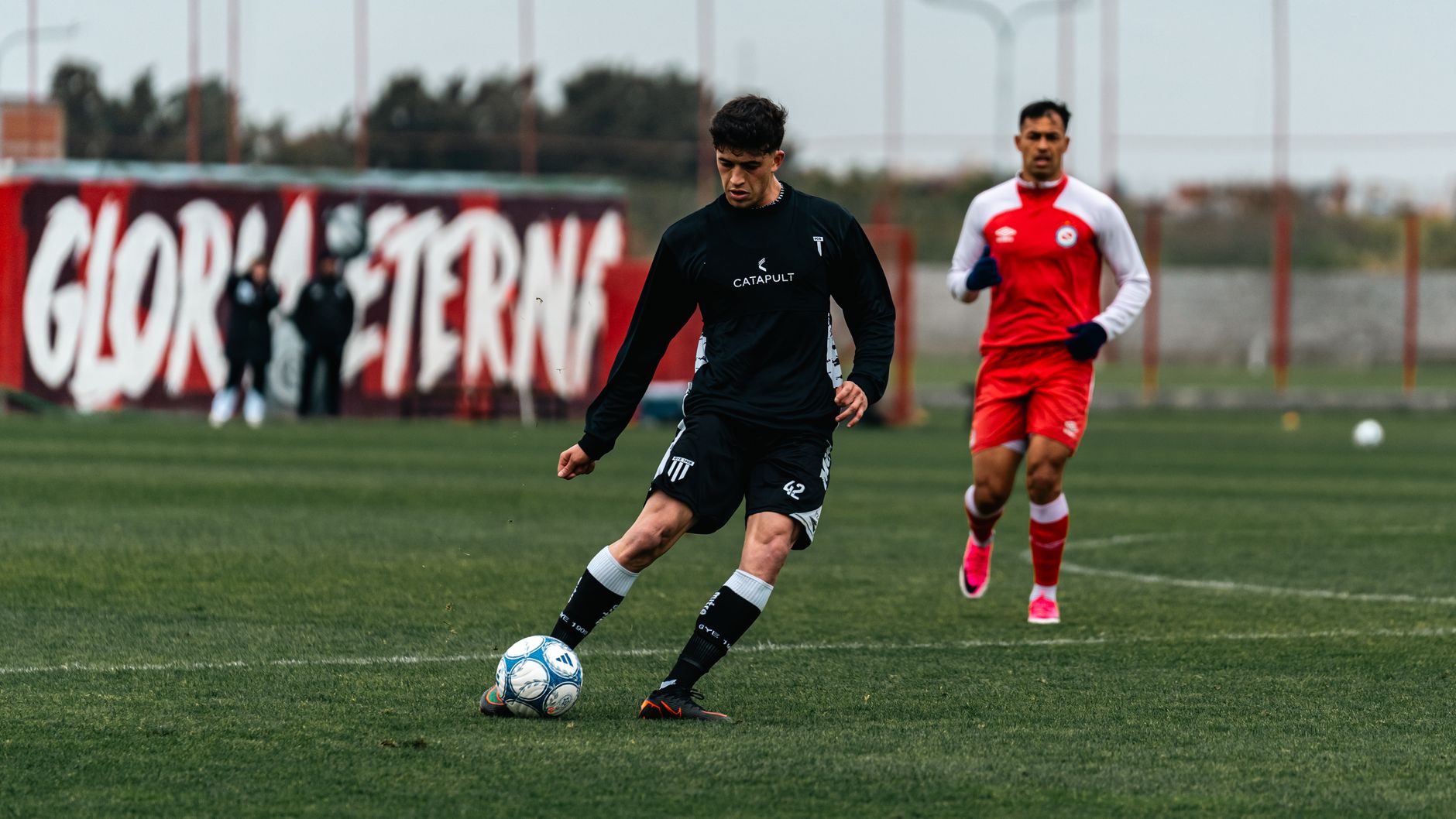
Photo by Franco Monsalvo on Pexels
Step 1: Calculate your daily fuel target
A football nutrition plan should begin with energy demand, not with a fashionable diet. Players who train four or five times weekly, lift weights, and play at the weekend can require substantially more food than their body weight alone suggests. Energy needs vary with age, body size, position, climate, training duration, and whether the objective is performance, weight maintenance, or gradual body-composition change. A small midfielder covering 11 kilometres in a match does not need the same intake as a 95-kilogram centre-back engaged in repeated aerial and physical duels, and pretending otherwise is how players end up tired, irritable, and injured (a lesson I would prefer you not learn the expensive way).
For a practical starting point, estimate resting needs with a qualified sports dietitian or a validated equation, then monitor body weight, training quality, sleep, and hunger for two weeks. Many adult players fall somewhere around 30–45 kilocalories per kilogram of body weight daily, although hard training blocks may push requirements higher. A 75-kilogram player might therefore begin near 2,250–3,375 kilocalories before adjusting for actual workload. During a match, professional research has reported approximately 1,100–1,500 calories of energy expenditure, but that figure includes total activity and varies widely; it does not mean you must immediately replace every calorie after the final whistle.
Position, season phase, and workload matter
Use the following as a starting framework rather than a rigid prescription:
- Low-load or rest day: reduce carbohydrate portions slightly while keeping protein, vegetables, and fluids consistent.
- Training day: increase carbohydrate intake before and after practice, particularly when sessions last 75 minutes or longer.
- Match day: prioritize familiar, lower-fibre carbohydrates before kickoff and fast recovery nutrition afterward.
- Two-match week: eat more deliberately between fixtures because glycogen restoration, hydration, and sleep become a combined performance problem.
- Growth or muscle-gain phase: add energy gradually, often through an extra snack containing carbohydrates and protein.
According to FIFA’s nutrition and football resources, football performance depends on managing energy availability rather than chasing a single “perfect” food. Low energy availability can impair recovery, hormonal function, mood, and immune health in both male and female players. If weight is changing unintentionally, sprint quality is declining, or you are persistently cold and exhausted, consult a sports medicine professional rather than cutting another food group.
Want a broader match-performance perspective alongside your nutrition planning?
Step 2: How should you balance carbohydrates, protein, and fats?
Carbohydrates should provide the main training fuel, protein should support repair, and fats should help cover energy, hormonal, and cardiovascular needs. For many football players, a useful carbohydrate range is 3–5 grams per kilogram on lighter days and 5–7 grams per kilogram during demanding training or match periods. Protein commonly sits around 1.6–2.2 grams per kilogram daily, divided across four or five feedings, while fat often supplies roughly 20–35% of total energy. These are evidence-based ranges, not compulsory numbers carved into a dressing-room wall.
Carbohydrate quality and timing matter more than demonizing bread, rice, pasta, or potatoes. Whole grains, fruit, beans, and vegetables provide fibre and micronutrients, but lower-fibre choices can be more comfortable immediately before competition. Protein distribution is equally important: a 75-kilogram player targeting 1.8 grams per kilogram would consume about 135 grams daily, ideally in servings of approximately 25–35 grams. Good options include milk, Greek yogurt, eggs, poultry, fish, tofu, beans, and lean meat. Fat should not disappear from the plate, but large portions of fried food, cream, or rich sauces immediately before training can delay gastric emptying and create avoidable discomfort.
A simple plate model works when you are busy:
- Half the plate: vegetables or fruit, adjusted downward before a match if fibre causes stomach trouble.
- One quarter: rice, pasta, potatoes, oats, bread, or another carbohydrate source.
- One quarter: fish, eggs, poultry, lean meat, dairy, tofu, or legumes.
- Add: olive oil, nuts, seeds, avocado, or another measured fat source.
- Drink: water routinely, with sodium-containing fluids when sweating heavily.
Research reviewed by the International Society of Sports Nutrition supports regular protein distribution rather than concentrating nearly all protein at dinner. A particularly useful, underused tactic is to keep an emergency recovery kit in your football bag: a shelf-stable milk drink, banana, cereal bar, and a small sandwich. The kit is not glamorous, but it prevents the familiar post-training mistake of waiting two hours for takeaway food while glycogen and patience both disappear.
[Internal Link: football recovery nutrition guide]

Photo by Omar Ramadan on Pexels
Step 3: What should you eat and drink before a match?
The best pre-match meal is familiar, carbohydrate-rich, moderate in protein, lower in fat, and easy to digest. Three to four hours before kickoff, many players can tolerate approximately 1–4 grams of carbohydrate per kilogram, depending on body size, meal timing, and gastrointestinal history. A 75-kilogram player might target 75–225 grams across the pre-match period, although the higher end is more suitable for a long gap after the meal or a particularly demanding schedule. Two hours before kickoff, reduce the portion; 30–60 minutes before, choose a small snack such as a banana, applesauce pouch, white toast, or sports drink.
Hydration should begin well before the warm-up. The American College of Sports Medicine recommends individualized fluid planning because sweat rates differ dramatically; a player sweating one litre per hour in humid Los Angeles conditions has a different problem from a player losing 400 millilitres in a cool evening match. Weighing yourself before and after a training session can provide a useful estimate: each kilogram lost is approximately one litre of fluid, although clothing and urine affect the calculation. During the final two hours before kickoff, drink steadily rather than swallowing a large volume at once, and include sodium when sweat losses are substantial.
A practical match-day schedule could look like this:
- Four hours before: rice, pasta, potatoes, oats, or bread with moderate protein and familiar vegetables.
- Two hours before: smaller carbohydrate meal or snack, plus water.
- 30–60 minutes before: banana, sports drink, toast with jam, or a low-fibre cereal bar if needed.
- During warm-up: sip rather than overdrink.
- Half-time: use small carbohydrate and fluid amounts if tolerated, especially in hot weather or during congested schedules.
The common mistake is testing a new gel, supplement, or enormous breakfast on match day. Practice the exact routine during training, including the brand of drink, the amount of sodium, and the time between eating and sprinting. The UEFA Training Ground emphasizes practical preparation and individual response; your stomach is not obliged to respect a generic internet schedule. If you follow football analysis on Match Daily, remember that tactical predictions and player statistics describe what may happen on the pitch, while your food plan determines whether your legs can deliver it.
Ready to compare preparation habits with the demands of modern match play?
Step 4: How do you recover during the first 72 hours?
Recovery begins immediately after the final whistle, but it does not end when you finish a shake. The first priority is carbohydrate replacement, especially if another match or hard training session is scheduled within 24 hours. A commonly used target is 1.0–1.2 grams of carbohydrate per kilogram per hour during the first four hours after demanding exercise, combined with approximately 0.25–0.4 grams of protein per kilogram soon after training. For a 75-kilogram player, that equals roughly 75–90 grams of carbohydrate and 19–30 grams of protein in the early recovery window.
Fluids must also be replaced progressively. If you lose one kilogram during a session, replacing approximately 1.25–1.5 litres over the following hours can help account for continuing urine losses, particularly when sodium is included. Do not treat this as permission to force water until your stomach sloshes; overhydration can be dangerous. A recovery meal such as chocolate milk with a banana, a turkey sandwich with fruit, or rice with salmon and vegetables can be more useful than a costly supplement because it supplies carbohydrate, protein, fluid, sodium, and micronutrients together.
The 24–72-hour period deserves attention because muscle soreness, inflammation, sleep disruption, and glycogen restoration overlap. Include colourful fruit and vegetables, omega-3-rich fish such as salmon or sardines, extra-virgin olive oil, nuts, and adequate total calories. Antioxidant megadoses are not automatically better; very large doses of isolated vitamin C or E may interfere with some training adaptations. The World Anti-Doping Agency states that athletes remain responsible for substances in their bodies, so supplement quality and batch testing matter. In plain terms, choose food first, and verify every supplement before using it.

Photo by ANH LÊ on Pexels
Training day versus match day
Training nutrition can be more flexible because you control the environment and can test tolerance. Match nutrition should be conservative: familiar foods, known quantities, and no last-minute experiments. During a match, carbohydrate intake of approximately 30–60 grams per hour may support prolonged high-intensity performance, although actual intake depends on match duration, playing level, climate, and whether the player can tolerate fluids or gels.
For youth players, the priority is growth, regular meals, hydration, and adequate calcium and iron—not aggressive weight manipulation. Female players may require particular attention to iron status, especially when fatigue, heavy menstrual bleeding, or reduced performance appears. A blood test and professional assessment are more sensible than buying an iron supplement at random. As an old player who has seen too many teammates confuse exhaustion with weakness, I will insist on this point: unexplained fatigue is a medical question before it is a motivation problem.
[Internal Link: youth football training and recovery advice]
Step 5: verification
A nutrition plan is verified through performance markers, not through how clean your social-media plate looks. Track training quality, sprint sharpness, perceived exertion, sleep duration, mood, bowel comfort, body-weight trends, and recovery between sessions for at least 14 days. Your notes do not need to be elaborate; record the time of meals, approximate carbohydrate intake, fluid volume, and how you felt during the final 20 minutes of practice. That final segment often reveals an energy problem earlier than a scale does.
Use a simple traffic-light review:
- Green: stable energy, normal appetite, good sleep, consistent training quality, and no unexplained weight loss.
- Amber: afternoon fatigue, recurring cramps, headaches, poor concentration, or declining late-session intensity.
- Red: dizziness, fainting, chest pain, persistent gastrointestinal symptoms, rapid weight loss, or repeated injuries; stop self-experimentation and seek medical care.
One useful information-gain test is to compare your sweat rate in two different environments rather than relying on a generic hydration chart. Measure body weight before and after a 75-minute session in cool conditions and again during a humid session; the difference can exceed 500 millilitres per hour in some players. Another overlooked edge case occurs during tournament travel: airport meals may contain substantial sodium but little carbohydrate, so a sandwich, fruit, and yogurt can restore balance more effectively than simply drinking more water.
Keep a match-day checklist:
- Was breakfast or the pre-match meal completed three to four hours before kickoff?
- Did you arrive with a tested carbohydrate snack?
- Did you drink steadily rather than excessively?
- Did you have recovery food available before leaving the stadium?
- Is the next training or match within 24–48 hours?
- Have you checked any supplement against anti-doping guidance?
Match Daily covers FIFA World Cup 2026 fixtures, tactics, team trends, and player statistics, but responsible sports coverage should never encourage reckless betting or imply guaranteed outcomes. Nutrition can improve preparation; it cannot guarantee a result. If you use gambling-related content, follow local laws, use licensed services where available, set strict limits, and never chase losses. That is not a lecture. It is the rule I would want for every player, supporter, and reader I respect.
See the broader tournament context while keeping your preparation disciplined.
Troubleshooting common failures
Most football nutrition failures are operational rather than scientific. Players often know that carbohydrates matter but fail to pack food, forget to drink during travel, or eat a high-fat meal too close to kickoff. Others consume protein correctly but under-eat total calories, leaving their bodies without enough energy to train, repair tissue, and maintain immune function. A plan that works only in a perfect kitchen is not a real plan; it is a brochure.
Failure: stomach discomfort before kickoff
Reduce fibre, fat, and portion size in the final two to three hours, then test one change at a time during training. Avoid carbonated drinks and unfamiliar gels, and note whether dairy, large amounts of fruit, or spicy food creates symptoms. Persistent pain, diarrhea, vomiting, or blood in the stool requires medical evaluation rather than another Instagram nutrition hack.
Failure: cramps during the second half
Cramps are not caused by one universal deficiency. Heat, fatigue, pacing, neuromuscular load, fluid loss, sodium loss, and insufficient conditioning may all contribute. Review training load and sweat rate, then work with a qualified clinician or dietitian; taking extra magnesium without evidence is rarely the heroic solution it is advertised to be.
Failure: energy crash after 60 minutes
Increase carbohydrate availability before and during training, examine sleep, and check whether the previous day supplied enough food. If glycogen is repeatedly low, a larger breakfast and a planned pre-session snack may be more effective than a stimulant. Caffeine can improve alertness and performance for some adults, but it can also damage sleep, and sleep remains the recovery supplement nobody can purchase in a tub.
Failure: slow recovery between matches
Begin recovery immediately with carbohydrate, protein, fluid, and sodium, then eat a substantial meal within the next two hours. During congested periods such as a 72-hour turnaround, choose easily digested foods and protect sleep rather than relying on alcohol, extreme fasting, or untested supplements.
[Internal Link: evidence-based football supplements guide]
Frequently Asked Questions
Q: What is a football nutrition guide for players?
A: A football nutrition guide for players is a practical system for matching food, fluids, and recovery timing to training and match demands. It normally covers daily energy intake, carbohydrates, protein, fats, hydration, pre-match meals, half-time fueling, and post-match recovery. The appropriate quantities depend on body weight, age, position, climate, health, and weekly workload. A youth winger, professional goalkeeper, and amateur centre-back should not automatically follow identical portions.
Q: How many carbohydrates should a football player eat?
A: Many players can begin with approximately 3–5 grams of carbohydrate per kilogram on lighter days and 5–7 grams per kilogram during hard training or match periods. A 75-kilogram player therefore may need around 225–525 grams daily, depending on workload and total energy needs. Rice, potatoes, oats, pasta, bread, fruit, beans, and sports drinks can all contribute. Increase intake before demanding sessions and reduce portions modestly on rest days rather than eliminating carbohydrates.
Q: What should a football player eat before a match?
A: Eat a familiar carbohydrate-rich meal three to four hours before kickoff, with moderate protein and limited heavy fat or fibre. Suitable examples include rice with chicken, pasta with tomato sauce, potatoes with eggs, or oats with yogurt and fruit. A banana, toast with jam, or sports drink can be used 30–60 minutes before the match if tolerated. Test the timing during training because digestive comfort differs from player to player.
Q: What is the difference between training-day and match-day nutrition?
A: Training-day nutrition allows more experimentation, while match-day nutrition should use familiar foods, tested quantities, and conservative timing. Training days may include higher-fibre foods and larger meals when there is time to digest them. Match days usually emphasize easily digested carbohydrates, steady fluids, and a prepared recovery snack. The key difference is reliability: competition is the wrong place to discover that a new gel or meal disagrees with you.
Q: How can football players recover faster after a match?
A: Start recovery with approximately 1.0–1.2 grams of carbohydrate per kilogram per hour for the first four hours when another demanding session is close, plus 0.25–0.4 grams of protein per kilogram soon after exercise. Replace fluids progressively, include sodium when sweat losses are high, and eat a balanced meal containing carbohydrates, protein, vegetables, and healthy fats. Sleep, gentle movement, and appropriate medical care also affect recovery, so nutrition cannot compensate for chronic sleep deprivation.
Q: What should a player do if nutrition causes stomach problems?
A: Reduce meal size and choose lower-fibre, lower-fat foods before training, then test one change at a time during practice. Keep a record of food, timing, symptoms, hydration, and exercise intensity for at least two weeks. Avoid unfamiliar supplements and excessive fluid intake before matches. Repeated pain, vomiting, diarrhea, bleeding, or unexplained weight loss requires assessment by a doctor or sports dietitian.
Q: Are football supplements necessary?
A: Most football players can meet core nutrition needs through ordinary foods, and supplements should address a verified requirement rather than replace meals. Vitamin D, iron, caffeine, creatine, or electrolyte products may have a role for specific players under professional guidance, but contamination and anti-doping risks must be considered. Check products against current World Anti-Doping Agency rules and choose independently batch-tested options. Food, hydration, training, and sleep remain the foundation.
A football nutrition plan does not need to be fashionable; it needs to be repeatable under pressure. Build the foundation with enough energy, use carbohydrates strategically, distribute protein, replace fluids according to sweat loss, and verify the plan through training data rather than guesswork. For the 2026 season, the best approach is still the stubbornly practical one: prepare familiar food, carry an emergency snack, recover immediately, and adjust only when evidence from your own body supports the change.
Continue following Match Daily for FIFA World Cup 2026 analysis, player statistics, tactical developments, and responsible tournament coverage.
Thank you for reading.
Match Daily · Editorial Archive · 2026