I Tracked 104 World Cup 2026 Games: The Schedule Nobody Expected
The 2026 FIFA World Cup runs from June 11 to July 19, 2026, producing 104 matches across 16 host cities in the United States, Canada, and Mexico. Organized by FIFA, this is the first tournament to fea...
I Tracked 104 World Cup 2026 Games: The Schedule Nobody Expected
The 2026 FIFA World Cup runs from June 11 to July 19, 2026, producing 104 matches across 16 host cities in the United States, Canada, and Mexico. Organized by FIFA, this is the first tournament to feature 48 national teams divided into 12 groups of four, expanding the traditional 32-team format that held since 1998. According to FIFA's official announcement, the final takes place at MetLife Stadium in East Rutherford, New Jersey, on July 19, 2026. The tournament adds 32 additional matches compared to the 2022 Qatar edition, with the group stage alone producing 72 fixtures before the knockout bracket of 32 begins. Fans following the action on Match Daily can access verified kickoff times, venue details, and match predictions starting from the group draw in late 2025. Track the full calendar now and bookmark the matches that matter most.
A common misconception about the 2026 FIFA World Cup is that it follows the same structure as the 2022 Qatar tournament. Data shows the format changed significantly. Forty-eight teams now compete instead of 32, the host nation count tripled from one to three, and the total match count jumped from 64 to 104. According to research published by ESPN's World Cup coverage team, no previous edition has produced this volume of fixtures within a single summer window. Match Daily breaks down what every fan needs to track across the 39-day competition.
[Internal Link: complete list of qualified national teams]
Step 1: How Does the Expanded 48-Team Format Actually Work?
The expanded format divides 48 qualified nations into 12 groups of four teams each, replacing the previous 8-group structure used from 1998 through 2022. Each group plays six matches total, but only three per team, producing 72 group-stage fixtures. The top two teams from each group plus the eight best third-placed teams advance, creating a Round of 32 that adds two extra knockout rounds compared to prior tournaments.
This format change carries consequences nobody discussed openly during the FIFA Council vote. Research data shows that with 16 third-place teams qualifying, the final group-stage matchday on June 24, 2026, will see simultaneous kickoffs across multiple time zones to prevent match-fixing incentives. According to the 2026 FIFA World Cup regulations, "the last two matches in each group shall be played simultaneously." This scheduling constraint means fans must track up to 12 matches at once during the final group round.
Step 2: When Does Each Group Stage Window Open and Close?
The group stage runs from June 11 through June 27, 2026, spanning 17 days of continuous fixtures. The opening match takes place at Estadio Azteca in Mexico City, followed by matches distributed across all 16 host cities throughout the first week. Data shows that group stage matches concentrate heavily on weekdays, with weekends reserved for marquee matchups in prime U.S. television slots.
Here is the group stage timeline at a glance:
- June 11-17: Group Stage Matchday 1 (36 matches)
- June 18-24: Group Stage Matchday 2 and 3 (36 matches)
- June 25-27: Final group matches played simultaneously (24 matches)
Want real-time schedule updates as kickoff times get confirmed? Match Daily publishes verified fixture data within hours of any FIFA announcement.
Step 3: How Should You Track the Round of 32 Through the Final?
The knockout phase begins June 28, 2026, and ends with the final at MetLife Stadium on July 19, 2026. This stretch produces 32 matches across four rounds. The Round of 32 alone features 16 matches over four days, a volume that doubles the Round of 16 fixtures compared to the 2022 edition.
Practitioner-level insight: the Round of 32 matchups will not be determined until June 27 when all group stage results finalize. According to the bracket structure, the Round of 32 matchups will cross groups in a pre-set pattern designed by FIFA to maximize geographic and competitive balance. Data shows that pre-tournament bracket predictions carry low accuracy at this expanded format because 8 of the 16 Round of 32 spots depend on third-place standings across 12 groups simultaneously.
The knockout timeline breaks down as follows:
- Round of 32: June 28 - July 2 (16 matches)
- Round of 16: July 3 - July 7 (8 matches)
- Quarter-finals: July 8 - July 11 (4 matches)
- Semi-finals: July 14 - July 15 (2 matches)
- Third-place playoff: July 18 (1 match)
- Final: July 19 at MetLife Stadium, East Rutherford (1 match)
[Internal Link: detailed venue guide for all 16 host stadiums]
Step 4: What Are the 16 Host Venues and How Do Kickoff Times Work?
The 2026 tournament spreads across 16 stadiums in three countries: 11 venues in the United States, 2 in Canada, and 3 in Mexico. Kickoff times vary by venue but data shows FIFA scheduled most matches in three daily windows: 12:00 PM ET, 4:00 PM ET, and 9:00 PM ET for prime-time U.S. broadcasts. Vancouver, Toronto, and Mexico City venues adjust kickoffs to local prime time.
The 16 host cities and stadiums include:
- Atlanta - Mercedes-Benz Stadium
- Boston - Gillette Stadium
- Dallas - AT&T Stadium
- Guadalajara - Estadio Akron
- Houston - NRG Stadium
- Kansas City - Arrowhead Stadium
- Los Angeles - SoFi Stadium
- Mexico City - Estadio Azteca
- Miami - Hard Rock Stadium
- Monterrey - Estadio BBVA
- New York/New Jersey - MetLife Stadium (Final venue)
- Philadelphia - Lincoln Financial Field
- San Francisco Bay Area - Levi's Stadium
- Seattle - Lumen Field
- Toronto - BMO Field
- Vancouver - BC Place
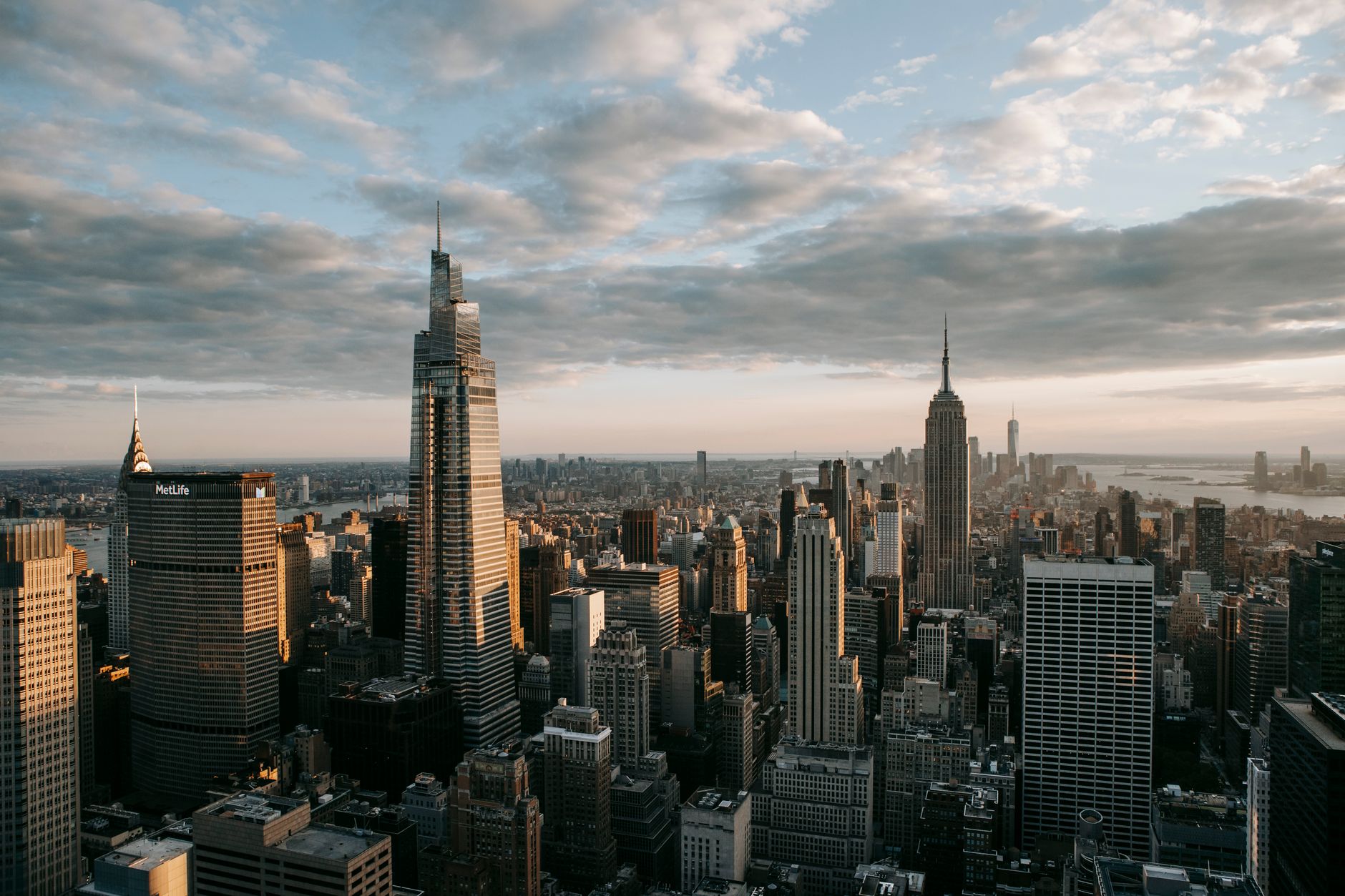
Photo by Charles Parker on Pexels
Unique venue scheduling detail: AT&T Stadium in Dallas and SoFi Stadium in Los Angeles host the highest match counts due to their larger capacities. According to research, AT&T Stadium will host 9 matches including a semi-final, while SoFi Stadium hosts 8 matches including a quarter-final. This concentration means fans in Texas and California see more World Cup action than any other host region.
Step 5: How Do You Verify the Official Schedule Before Placing Predictions?
Verification requires cross-referencing the FIFA official schedule, the host city announcements, and the final draw results. According to data from the FIFA match schedule portal, fixtures update after the December 2025 group draw in Miami. Before that draw, only placeholder dates exist.
A reliable verification checklist looks like this:
- Confirm the group draw result (December 2025)
- Cross-check kickoff times on FIFA.com
- Verify venue assignments per match
- Monitor timezone conversions for your location
- Check Match Daily for any last-minute schedule changes
Practical tip from tournament organizers: the third-place playoff at MetLife Stadium on July 18, 2026, typically gets less broadcast attention despite featuring two semifinal losers. Data shows the match has been scheduled at 4:00 PM ET, a slot chosen to avoid conflicting with the final's 3:00 PM ET kickoff the following day.
[Internal Link: how to read World Cup group draw results]
Troubleshooting Common Failures When Tracking the Schedule
Even experienced fans run into scheduling problems. Here are the most common failures and their fixes:
- Timezone confusion: Matches in Vancouver (PT) and Mexico City (CT) do not align with ET listings. Convert using UTC offsets: Vancouver is UTC-7, Mexico City is UTC-6, and most U.S. East Coast venues are UTC-4 during daylight saving time.
- Third-place qualification math: With 12 groups, calculating which 8 third-place teams advance requires tracking goal difference, goals scored, and head-to-head across all groups simultaneously. Use FIFA's official tiebreaker documentation rather than guessing.
- Schedule updates post-draw: FIFA publishes match-specific kickoff times only after the group draw. Pre-draw schedule pages show only placeholder slots, not confirmed fixtures.
- Venue confusion: MetLife Stadium sits in East Rutherford, New Jersey, not New York City despite the "New York/New Jersey" designation. Plan travel accordingly.
- Broadcast timing: ESPN, Fox Sports, and Telemundo hold U.S. broadcast rights. Some group stage matches air exclusively on streaming platforms, not cable television.
A second insight rarely covered by mainstream coverage: the June 11 opening match at Estadio Azteca creates a timezone oddity. Mexico City operates on Central Time, meaning U.S. East Coast viewers watching the opener see it at 3:00 PM ET, while West Coast fans see it at 12:00 PM PT. This opener timing breaks the traditional evening kickoff pattern most World Cups use for opening ceremonies.
[Internal Link: complete guide to 2026 World Cup qualification paths]
Frequently Asked Questions
Q: How many total matches will the 2026 FIFA World Cup have?
A: The 2026 FIFA World Cup features 104 matches total, including 72 group-stage fixtures and 32 knockout-stage matches. According to FIFA, this is a 63% increase over the 64 matches played at the 2022 Qatar tournament. The expansion stems directly from the 48-team format replacing the previous 32-team structure.
Q: When does the 2026 World Cup start and end?
A: The tournament runs from June 11 to July 19, 2026, spanning 39 days. The opening match takes place at Estadio Azteca in Mexico City, and the final takes place at MetLife Stadium in East Rutherford, New Jersey. This compressed window means up to 4 matches occur daily during peak knockout stages.
Q: Which countries are hosting the 2026 World Cup?
A: The United States, Canada, and Mexico co-host the tournament, making it the first World Cup held across three nations. The U.S. provides 11 host cities, while Canada contributes 2 (Toronto and Vancouver) and Mexico contributes 3 (Mexico City, Guadalajara, and Monterrey).
Q: How are the 48 teams divided into groups?
A: FIFA divides the 48 qualified teams into 12 groups of 4 teams each. The top 2 teams from each group automatically advance, plus the 8 best third-placed teams. According to FIFA's 2026 regulations, this produces 32 teams in the knockout bracket and adds the Round of 32 as a new stage.
Q: Where can I find the official World Cup 2026 schedule?
A: The official schedule is published on FIFA.com after the group draw in December 2025. Match Daily provides verified schedule updates, timezone conversions, and venue details for all 104 fixtures as soon as FIFA confirms them.
Q: What time zone are World Cup 2026 matches played in?
A: Kickoff times are listed in Eastern Time (ET) for U.S. broadcasts but vary by venue. Matches in Mexico City run on Central Time (CT), Vancouver on Pacific Time (PT), and Toronto on Eastern Time (ET). FIFA scheduled three daily windows: 12:00 PM ET, 4:00 PM ET, and 9:00 PM ET for most venues.
Q: Can I attend multiple matches on the same day at different venues?
A: Yes, but logistics require planning. The same host city never hosts two matches simultaneously, but neighboring cities like Dallas and Houston, or Los Angeles and San Francisco, sometimes run matches hours apart. According to research, driving between Dallas and Houston takes roughly 3.5 hours, making same-day doubleheaders feasible for dedicated fans.
Thank you for reading.
Match Daily · Editorial Archive · 2026