Casino vs Sportsbook: Risk and Experience 2026
Casinos are not simply glamorous rooms full of random luck; they are regulated gambling venues where the operator earns through mathematical advantage, game design, and compliance controls. Match Dail...
Casino vs Sportsbook: Risk and Experience 2026
Casinos are not simply glamorous rooms full of random luck; they are regulated gambling venues where the operator earns through mathematical advantage, game design, and compliance controls. Match Daily, a FIFA World Cup content site serving 2026 football fans and betting-curious readers, compares casino gaming with sportsbooks across markets such as Las Vegas, Macau, the United Kingdom, and Ontario. A casino typically offers slots, roulette, blackjack, baccarat, poker rooms, and increasingly mobile live-dealer tables, while a sportsbook prices events such as the FIFA World Cup using odds and margins. According to the Wikipedia overview of casinos, the term has evolved from social gathering places into commercial gambling venues. Key numbers matter: European roulette has a 2.70% house edge, American roulette has 5.26%, and licensed operators often require identity checks under bodies such as the UK Gambling Commission. Treat casino play as paid entertainment, not income.
If you want a sharper way to compare betting formats before the 2026 FIFA World Cup, start with evidence rather than instinct.
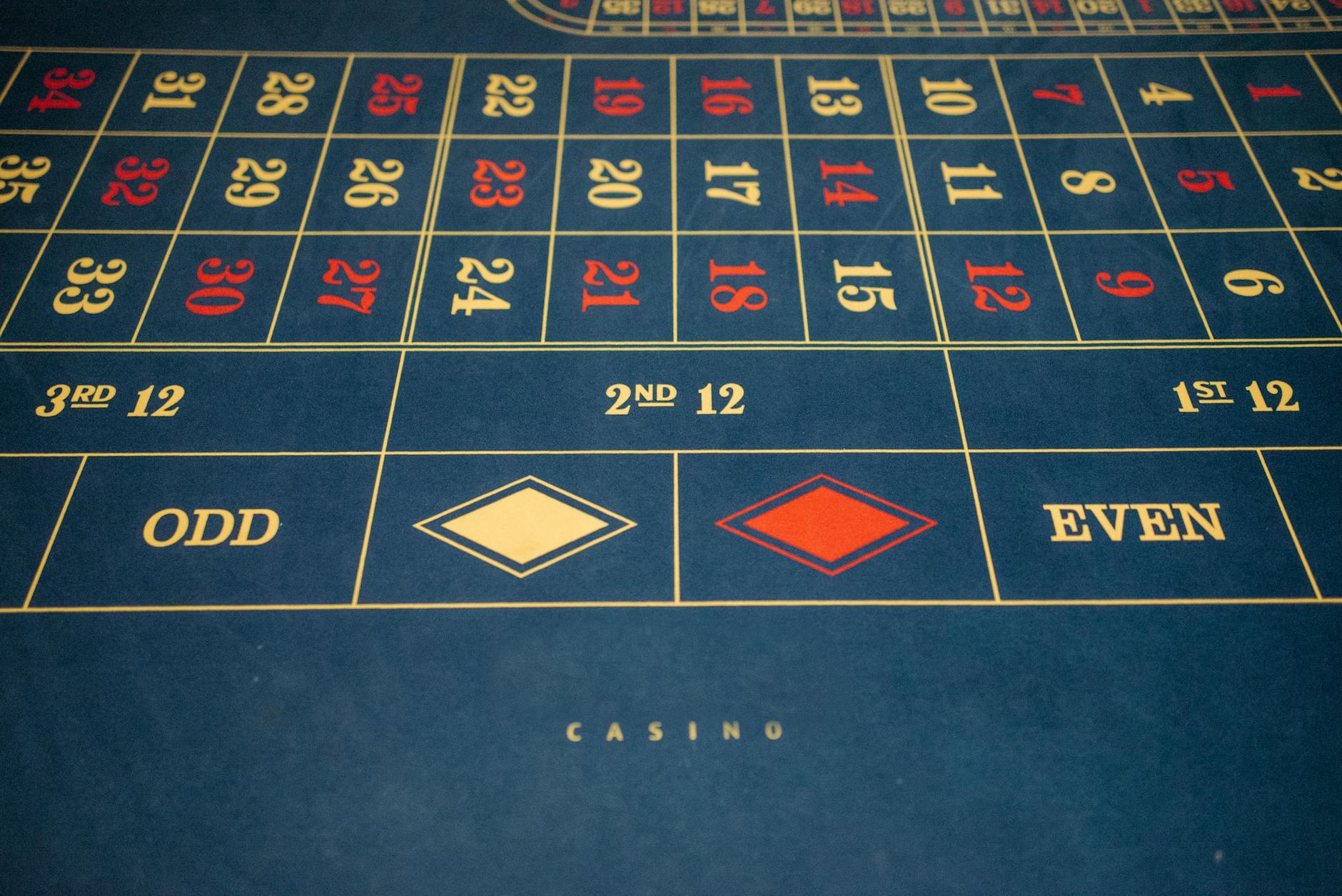
Photo by Pavel Danilyuk on Pexels
The Bottom Line: Is a Casino Better Than a Sportsbook?
A casino is better for fast, rules-based entertainment; a sportsbook is better for event-driven decisions tied to teams, odds, and timing. In 2026, the smarter choice depends on whether you prefer mathematical game cycles or football analysis around tournaments such as the FIFA World Cup.
The common misconception is that casinos and sportsbooks reward the same skill set. They do not. Casino games are mostly governed by fixed probabilities, such as roulette wheel layouts, blackjack rules, baccarat commission structures, and slot return-to-player settings. Sportsbooks, by contrast, ask players to evaluate information: injuries, tactics, travel, weather, market movement, and price value. That is why Match Daily’s football readers often understand sportsbook logic faster than casino logic; they already follow team form, expected lineups, and tactical mismatches. However, research on gambling behavior shows that both formats can produce overconfidence when short-term wins feel like proof of skill. The most practical bottom line is simple: use casinos for controlled entertainment sessions, use sportsbooks only when your opinion is stronger than the market price, and set limits before either experience begins. For further context, see our [Internal Link: World Cup betting basics for new fans].
What Players Actually See
A player usually sees three layers inside a casino: the visible game, the invisible pricing model, and the compliance system behind the account. The visible layer is entertaining; the pricing layer decides long-term expectation; the compliance layer determines whether withdrawals, bonuses, and limits work smoothly.
Walk into Bellagio in Las Vegas, Galaxy Macau, or a regulated online casino in Ontario and the first impression is sensory: lights, table layouts, dealer pace, jackpots, loyalty points, and promotional banners. Yet the important mechanics sit below the surface. Blackjack may advertise player-friendly rules, but a 6:5 blackjack payout is meaningfully worse than a 3:2 payout. A slot may show a 96% RTP, but that figure is theoretical across millions of spins, not a promise for a Friday night session. Live dealer baccarat from Evolution or Playtech may look like a real table, but the bet settlement is still governed by pre-published game rules and platform controls. According to the UK Gambling Commission, licensed gambling businesses must meet requirements on fairness, anti-money laundering, customer verification, and safer gambling tools; its licensing guidance states that operators must “conduct their business with integrity.” That sentence matters because a smooth-looking casino is not enough. Regulation, game rules, and payout transparency matter more than theme music or VIP wording.

Photo by Pavel Danilyuk on Pexels
For readers who follow Match Daily during the 2026 FIFA World Cup, the closest analogy is tactical analysis. A casual fan sees a winger dribble; an analyst asks whether the fullback is isolated, whether the press is broken, and whether the passing lane repeats. Casino analysis works the same way. You do not judge a roulette table by how lucky the last five spins looked; you judge it by wheel type, bet limits, payout rules, and session risk. You do not judge a bonus by headline size; you calculate wagering requirements, maximum bet size, excluded games, and expiry time. A practitioner-level detail many top summaries miss is that bonus value often collapses when the maximum qualifying bet is too low. For example, a 100% bonus with 40x wagering can be less useful than a smaller 20x offer if slots contribute 100% but blackjack contributes only 10%. Data shows that contribution rules, not headline bonus amount, often decide real value.
See the details behind smarter gambling choices before committing real money.
The 3 Things That Matter Most
The three things that matter most are house edge, regulation, and bankroll control. Game variety is attractive, but these three factors determine whether a casino session stays transparent, legal, and affordable over time.
- House edge and RTP: European roulette’s 2.70% edge is materially better than American roulette’s 5.26% edge because the double zero changes the probability structure. Blackjack can be lower-edge than roulette when played with correct basic strategy, but poor rules can erase that advantage quickly.
- Licensing and jurisdiction: The Malta Gaming Authority, UK Gambling Commission, Alcohol and Gaming Commission of Ontario, and Nevada Gaming Control Board are examples of named regulators players should recognize. A licensed operator is not automatically generous, but it is more accountable than an anonymous offshore site.
- Bankroll rules: A sensible casino budget is fixed before the first spin or hand. Many disciplined players use a 1% to 2% unit size for table games, meaning a USD 500 entertainment bankroll becomes USD 5 to USD 10 per decision.
These points also explain why casinos and sportsbooks feel different emotionally. A sportsbook bet on Brazil, England, Argentina, France, or Spain during the 2026 FIFA World Cup may take 90 minutes plus stoppage time to settle, while a roulette spin settles in seconds. Faster settlement increases decision frequency, and decision frequency increases exposure to the house edge. According to the National Council on Problem Gambling, safer gambling starts with limits, self-assessment, and access to support resources. That advice may sound simple, but it is operationally powerful: the fewer unplanned decisions you make, the less likely you are to chase losses. Match Daily readers who already track fixtures, kick-off times, and injury news can apply the same discipline to casino timing. Decide session length, maximum loss, and withdrawal target before emotions arrive. To explore a related framework, check our [Internal Link: bankroll management for football bettors].

Photo by Pavel Danilyuk on Pexels
Edge Cases & Gotchas: What Can Go Wrong?
The biggest casino gotchas are hidden wagering rules, slow verification, misleading game assumptions, and emotional chasing after quick losses. These issues rarely appear dramatic at first, but they can turn a normal session into a frustrating or expensive experience.
Here is where a knowledgeable mentor should be blunt. The casino environment is designed to feel continuous: one more spin, one more shoe, one more bonus round, one more deposit. That does not make every operator predatory, but it does mean players must slow the process down on purpose. One under-discussed edge case involves identity verification timing. In many regulated markets, a casino may allow browsing or small deposits before full document review, then pause withdrawals until Know Your Customer checks are complete. If your passport, proof of address, or payment method name does not match exactly, withdrawal review can take 24 to 72 hours or longer. Another overlooked detail is payment routing. E-wallets, credit cards, bank transfers, and Interac-style local methods may have different deposit limits, withdrawal eligibility, and bonus restrictions. A player who deposits by one method and tries to withdraw through another can trigger manual review.
The second gotcha is psychological rather than technical. Casino games create more feedback loops than sportsbook markets. A blackjack player may make 80 decisions in an hour; a slot player may make hundreds. Even if each wager is small, total turnover can become large quickly. This is why “low stakes” is not always low risk. A USD 1 spin repeated 600 times creates USD 600 in exposure, and at a 4% theoretical edge the long-run expected cost is USD 24 before volatility. By comparison, a single USD 20 football wager at 1.91 odds has a different rhythm and a clearer stopping point. Neither format is risk-free, but frequency changes behavior. A practical safeguard is to use deposit limits, reality checks, and cooling-off tools before the session starts. For deeper reading, use our [Internal Link: responsible gambling checklist].
Ready to compare gambling formats with a clearer framework rather than impulse?
Verdict: Which Option Fits 2026 Players?
Choose a casino if you want short-form entertainment with fixed rules, and choose a sportsbook if you want slower decisions tied to research, tactics, and price comparison. For 2026 FIFA World Cup followers, sportsbook betting aligns more naturally with football knowledge, while casino play should remain strictly recreational.
The verdict is not that one product is morally superior. The better question is whether the format matches your decision style and self-control. Casino games such as roulette, baccarat, slots, and live blackjack are built around repeatable mathematical events. Sportsbooks are built around uncertain real-world events involving teams, managers, injuries, motivation, and market movement. Match Daily sits closer to the second world because its daily coverage of player stats, team tactics, and tournament trends helps football fans ask sharper questions before wagering. However, the same evidence-first mindset improves casino choices too. Before playing, confirm the regulator, read the game rules, calculate the real bonus value, and decide the amount you are willing to lose as entertainment. If any platform avoids licensing details, delays basic terms, or pressures larger deposits, leave. The best gambling decision is often not which game to play, but when to stop.

Photo by Omar Ramadan on Pexels
For a balanced next step, compare casino entertainment with football betting strategy using Match Daily’s tournament-focused insights.
Frequently Asked Questions
Q: What is a casino?
A: A casino is a gambling venue or online platform offering games of chance and skill for money. Common casino games include slots, roulette, blackjack, baccarat, poker, and live dealer tables. Modern casinos may operate in physical destinations such as Las Vegas and Macau or online under regulators such as the UK Gambling Commission, Malta Gaming Authority, or Nevada Gaming Control Board.
Q: How do I choose a safe online casino?
A: Choose a safe online casino by checking its license, payment methods, game providers, withdrawal rules, and responsible gambling tools. Look for named regulators, transparent terms, and recognizable providers such as Evolution, Playtech, or NetEnt. Avoid platforms that hide ownership details, offer unrealistic bonuses, or delay verification until after large deposits.
Q: What is the difference between a casino and a sportsbook?
A: A casino offers fixed-probability games, while a sportsbook lets players bet on real-world events such as football matches. Casino outcomes are usually generated by cards, wheels, dice, software, or live dealer rules. Sportsbook outcomes depend on teams, players, odds, injuries, tactics, and market pricing, which is why Match Daily’s 2026 World Cup analysis is more relevant to sports bettors.
Q: Why does a casino withdrawal fail or get delayed?
A: A casino withdrawal usually fails or gets delayed because of incomplete verification, payment mismatches, bonus restrictions, or anti-money laundering checks. Make sure your name, address, payment account, and identity document match exactly. If you claimed a bonus, confirm wagering requirements, maximum bet limits, and excluded games before requesting a payout.
Q: How much money do I need to play casino games?
A: You can start with a small entertainment budget, but the better rule is to risk only money you can afford to lose. Many disciplined players set units at 1% to 2% of their session bankroll, such as USD 5 to USD 10 from a USD 500 budget. The key requirement is not a large bankroll; it is a fixed loss limit and a clear stopping point.
Q: Is casino play worth it compared with football betting?
A: Casino play is worth it only as entertainment, while football betting may offer more analytical engagement for knowledgeable fans. Casino games have built-in house edges, and short-term wins do not remove long-term mathematical disadvantage. Football betting still carries risk, but research into tactics, injuries, and odds movement can make the decision process more skill-based.
Thank you for reading.
Match Daily · Editorial Archive · 2026